
Understanding pH Testing for Gastroesophageal Reflux and Its Importance

Gastroesophageal reflux disease (GERD) affects millions worldwide, causing discomfort and sometimes serious complications. One key tool doctors use to diagnose and manage this condition is pH testing. This test measures the acidity in the esophagus, helping to confirm reflux and guide treatment. Understanding what pH testing involves and why it matters can empower patients to take control of their health.
What Is Gastroesophageal Reflux?
Gastroesophageal reflux happens when stomach acid flows back into the esophagus, the tube connecting the throat to the stomach. This backflow irritates the lining of the esophagus, causing symptoms like heartburn, chest pain, and regurgitation. When reflux occurs frequently or severely, it is called GERD.
GERD can lead to complications such as:
Esophagitis (inflammation of the esophagus)
Narrowing of the esophagus (strictures)
Barrett’s esophagus, a precancerous condition
Because symptoms alone do not always clearly indicate reflux, doctors rely on tests like pH monitoring to get accurate information.
What Is pH Testing for Reflux?
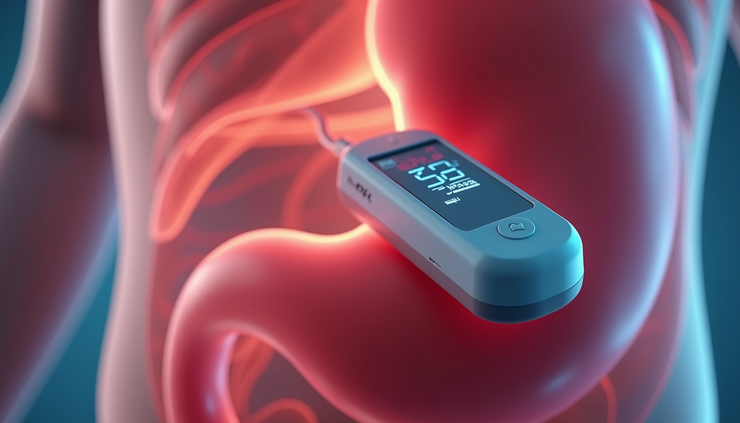
pH testing measures the level of acid in the esophagus over a period, usually 24 to 48 hours. The test detects how often and how long stomach acid enters the esophagus. This helps doctors determine if acid reflux is the cause of symptoms and how severe it is.
There are two main types of pH testing:
Catheter-based pH monitoring: A thin tube with a pH sensor is inserted through the nose into the esophagus. It stays in place for 24 hours while the patient goes about normal activities.
Wireless pH monitoring: A small capsule is attached to the esophageal lining during an endoscopy. It transmits pH data wirelessly for up to 48 hours and then falls off naturally.
Both methods provide detailed information about acid exposure and reflux episodes.
How Does pH Testing Work?
The pH sensor measures the acidity level, which is expressed as a number from 0 to 14:
pH below 4 indicates acid reflux
pH above 4 is considered normal or non-acidic
During the test, the device records pH levels continuously. Patients keep a diary of symptoms, meals, and activities to help correlate acid exposure with symptoms.
After the monitoring period, the data is analyzed to calculate:
The percentage of time the esophagus is exposed to acid
The number of reflux episodes
The duration of the longest reflux episode
This information helps doctors understand the pattern and severity of reflux.
Why Is pH Testing Important?
pH testing is crucial for several reasons:
Accurate diagnosis: It confirms whether acid reflux is causing symptoms, especially when symptoms are unclear or overlap with other conditions.
Treatment guidance: It helps doctors decide if medications like proton pump inhibitors (PPIs) are needed or if surgery might be an option.
Monitoring treatment effectiveness: After starting treatment, repeat pH testing can show if acid reflux has improved.
Identifying non-acid reflux: Some patients have reflux without acid. pH testing combined with impedance monitoring can detect this.
Without pH testing, patients might receive incorrect treatment or unnecessary medications.
Who Should Consider pH Testing?
Doctors may recommend pH testing if:
Symptoms persist despite treatment
There is uncertainty about the diagnosis
Patients have atypical symptoms like chronic cough or hoarseness
Surgery is being considered as a treatment option
It is a valuable tool for patients who need a clear understanding of their reflux condition.
What to Expect During pH Testing
The process is generally safe and straightforward:
Preparation: Patients may need to stop certain medications before the test.
Placement: For catheter testing, a thin tube is inserted through the nose into the esophagus. For wireless testing, a capsule is placed during an endoscopy.
Monitoring: Patients wear a small recording device and continue daily activities, avoiding certain foods or drinks that can affect results.
Symptom diary: Patients note when symptoms occur.
Data analysis: After the test, the doctor reviews the results and discusses treatment options.
Some discomfort may occur during catheter placement, but wireless testing is usually more comfortable.
Limitations and Considerations
While pH testing is valuable, it has some limitations:
It mainly detects acid reflux, not all types of reflux.
Results can vary day to day.
The catheter can cause mild discomfort or nasal irritation.
Wireless capsules are more expensive and not always available.
Doctors consider these factors when recommending the test.
How to Prepare for pH Testing
Proper preparation improves test accuracy:
Avoid acid-suppressing medications as directed by your doctor.
Do not eat or drink for a few hours before the test.
Avoid foods and drinks that can trigger reflux during the test, such as caffeine, alcohol, and spicy foods.
Keep a detailed symptom diary during the monitoring period.
Following instructions carefully helps get the most reliable results.
What Happens After pH Testing?
Once the test is complete, your doctor will:
Review the data to assess acid exposure
Correlate symptoms with reflux episodes
Discuss treatment options based on findings
Treatment may include lifestyle changes, medications, or in some cases, surgery. pH testing results provide a clear picture to guide these decisions.
Practical Tips for Managing Reflux
While pH testing helps diagnose reflux, managing symptoms often requires lifestyle adjustments:
Eat smaller, more frequent meals
Avoid lying down immediately after eating
Elevate the head of your bed
Maintain a healthy weight
Avoid trigger foods and drinks
Quit smoking
These steps can reduce reflux episodes and improve quality of life.


Comments