
Should I Get Tested for SIBO If I'm Experiencing Bloating

Bloating is a common and uncomfortable symptom that many people experience. It can make your stomach feel full, tight, and sometimes painful. If you often feel bloated, you might wonder if there is an underlying cause that needs attention. One possible cause of persistent bloating is Small Intestinal Bacterial Overgrowth, or SIBO. But how do you know if your bloating is due to SIBO? Should you get tested? This post will help you understand what SIBO is, how it relates to bloating, and when testing might be a good idea.
What Is SIBO and Why Does It Cause Bloating?
SIBO happens when there is an abnormal increase in the number of bacteria in the small intestine. Normally, the small intestine has fewer bacteria compared to the large intestine. When bacteria grow too much in the small intestine, they can interfere with digestion and nutrient absorption.
These bacteria ferment the food you eat, producing gases like hydrogen and methane. This gas buildup causes the feeling of bloating, along with other symptoms such as:
Abdominal pain or discomfort
Excessive gas or flatulence
Diarrhea or constipation
Feeling full quickly after eating
Because these symptoms overlap with other digestive conditions, SIBO can be tricky to diagnose without proper testing.
Common Causes and Risk Factors for SIBO
Understanding what leads to SIBO can help you decide if testing makes sense for you. Some common causes and risk factors include:
Impaired gut motility: Conditions like diabetes or scleroderma can slow down the movement of food and bacteria through the intestines.
Structural abnormalities: Surgery or anatomical changes in the intestines can create pockets where bacteria accumulate.
Low stomach acid: Stomach acid helps keep bacteria in check. Medications like proton pump inhibitors (PPIs) reduce acid and may increase SIBO risk.
Underlying digestive disorders: Irritable bowel syndrome (IBS), Crohn’s disease, and celiac disease are linked to higher chances of developing SIBO.
If you have any of these risk factors and experience bloating, testing for SIBO might be more relevant.
How Is SIBO Diagnosed?
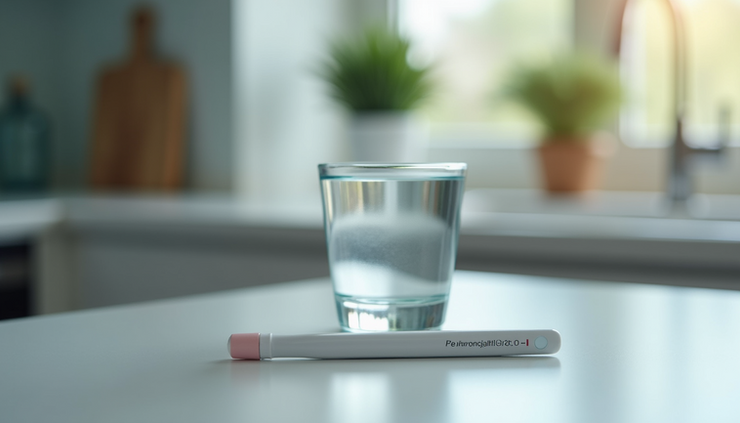
The most common test for SIBO is the breath test. It measures the gases produced by bacteria in your small intestine after you drink a sugar solution, usually lactulose or glucose. The test involves:
Fasting overnight
Drinking the sugar solution
Breathing into a collection device every 15 to 20 minutes for up to 3 hours
If the levels of hydrogen or methane gases rise earlier than expected, it suggests bacterial overgrowth.
Other tests like small intestine aspirate and culture exist but are invasive and less commonly used.
When Should You Consider Getting Tested for SIBO?
Not everyone with bloating needs a SIBO test. Bloating can result from many causes, including diet, stress, or other digestive issues. Consider testing if:
Your bloating is persistent and does not improve with dietary changes or over-the-counter remedies.
You have other symptoms like diarrhea, constipation, or abdominal pain along with bloating.
You have risk factors such as recent abdominal surgery, chronic medical conditions, or use of acid-reducing medications.
Your healthcare provider suspects SIBO based on your medical history and symptoms.
Testing without symptoms or risk factors may not provide useful information and could lead to unnecessary treatments.
What Happens After a Positive SIBO Test?
If your test shows SIBO, your healthcare provider will discuss treatment options. These usually include:
Antibiotics: Specific antibiotics target the bacterial overgrowth. Rifaximin is commonly prescribed.
Diet changes: A low FODMAP or specific carbohydrate diet can reduce fermentable foods that feed bacteria.
Addressing underlying causes: Improving gut motility or managing other digestive conditions helps prevent recurrence.
Treatment success varies, and some people may need repeated courses or ongoing management.
Practical Tips to Manage Bloating While You Decide on Testing
If you are unsure about testing or waiting for an appointment, here are some steps to reduce bloating:
Eat smaller, more frequent meals to avoid overloading your digestive system.
Avoid carbonated drinks and chewing gum, which can increase swallowed air.
Limit foods known to cause gas, such as beans, onions, and certain vegetables.
Keep a food diary to identify personal triggers.
Stay hydrated and engage in gentle physical activity to support digestion.
These strategies can help ease symptoms regardless of the cause.
When to See a Doctor Immediately
Seek medical attention if bloating is accompanied by:
Severe abdominal pain
Unexplained weight loss
Blood in stool
Persistent vomiting
Signs of dehydration
These could indicate more serious conditions requiring urgent care.


What makes symptoms like this difficult is how easily people swing between dismissing them as normal and treating one explanation as the answer too quickly. Persistent discomfort deserves context, not guesswork, and even practical tools like https://www.ozara.online/ Pay ID show how convenience can tempt https://www.auspayplus.com.au/solutions/payid people toward simple conclusions before the full picture is clear.
Digestive symptoms like bloating often illustrate how overlapping gastrointestinal conditions can complicate diagnosis and treatment choices. Distinguishing between dietary triggers and issues such as SIBO requires careful assessment, and in broader online discussions even unrelated references like https://douglasnews.network/ The Pokies sometimes appear when people compare recognizable names across different contexts.
I regard the overview as logically organized and technically consistent. Interpretations align with documented patterns. Supplementary contextual mapping of the issue may be found on the website . Mentions of online entertainment ecosystems aid framing.